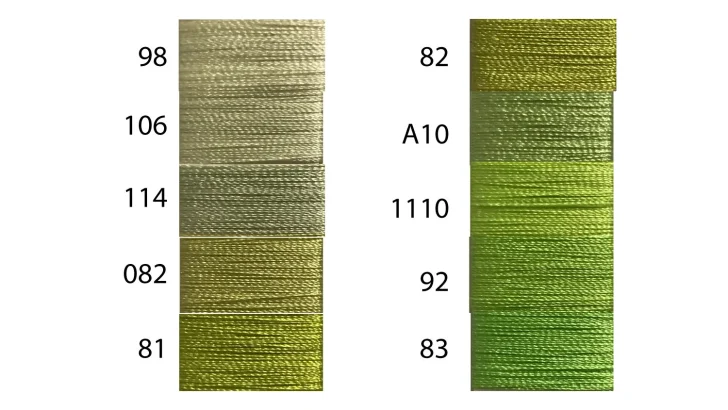
The world of embroidery is a vibrant and ever-evolving art form that has captivated crafters across cultures and continents for centuries. Whether you’re a seasoned artisan or a beginner just starting out, selecting the right thread is crucial to achieving the desired aesthetic and durability in your work. With a multitude of thread types available, each with its own unique properties and applications, it’s essential to understand the best options for different projects. This article explores the top choices for embroidery threads, helping global crafters make informed decisions based on their specific needs and creative goals.
Understanding the Importance of Thread Quality
Embroidery threads are the backbone of any stitched design, influencing both the visual appeal and longevity of the finished piece. High-quality threads not only enhance the appearance of your work but also ensure that your creations withstand the test of time. Factors such as fiber type, thickness, colorfastness, and flexibility play a significant role in determining the suitability of a thread for various embroidery techniques. For instance, cotton threads are favored for their softness and ability to hold vibrant colors, while polyester threads offer exceptional strength and resistance to fading.
Top Embroidery Threads for Different Applications
-
Cotton Threads
Cotton threads are among the most popular choices for embroidery due to their natural luster, soft texture, and ease of use. They come in a wide range of colors and are ideal for traditional hand embroidery, especially on fabrics like linen and cotton. Cotton threads are also known for their excellent stitch definition, making them perfect for intricate patterns and detailed designs. However, they may not be the best option for heavy-duty projects that require extra durability. -
Polyester Threads
Polyester threads are highly valued for their strength, resilience, and color retention. These threads are particularly well-suited for machine embroidery, where high tension and repeated stitching can cause other materials to break or fray. Their synthetic composition makes them resistant to moisture, sunlight, and wear, ensuring that your embroidered pieces maintain their vibrancy and structural integrity over time. Polyester threads are also available in a vast array of shades, allowing for seamless color matching. -
Silk Threads
Silk threads are often used in luxury embroidery projects, offering a luxurious sheen and smooth finish that elevates the overall look of the work. These threads are typically reserved for high-end applications, such as wedding attire, decorative items, and historical reproductions. While silk threads are more expensive than other options, their elegance and versatility make them a favorite among professional embroiderers and collectors. -
Wool Threads
Wool threads are commonly used in tapestry and cross-stitch embroidery, providing a rich texture and deep color saturation. They are particularly effective for creating bold, dimensional effects and are often used in traditional folk art. Wool threads are also known for their warmth and insulating properties, making them a great choice for winter-themed embroidery projects. -
Metallic Threads
Metallic threads add a touch of glamour and sophistication to any embroidery project. Available in various finishes, including gold, silver, and copper, these threads are ideal for creating eye-catching details and embellishments. However, metallic threads can be more delicate and require careful handling to prevent tangling or breaking during stitching. They are best suited for decorative purposes rather than functional or everyday use.
Choosing the Right Thread for Your Project
Selecting the appropriate thread depends on several factors, including the type of fabric you’re working with, the desired effect, and the level of detail required. For example, if you’re working on a lightweight fabric like silk or chiffon, a fine cotton or polyester thread would be more suitable than a thick wool thread. On the other hand, if you’re creating a large-scale quilt or wall hanging, a stronger and more durable thread like polyester or wool would be a better choice.
Additionally, consider the environmental conditions in which your embroidered piece will be displayed or used. If the project is intended for outdoor use, a weather-resistant thread like polyester would be more practical than a natural fiber like cotton. Similarly, if you’re planning to wash the finished item regularly, a colorfast and fade-resistant thread would help preserve its appearance over time.
Tips for Maintaining Thread Quality
To ensure that your embroidery threads perform optimally, it’s important to store them properly. Keep threads in a cool, dry place away from direct sunlight, as exposure to heat and light can cause fading and weakening. Using a thread organizer or spool holder can also help keep your threads tangle-free and easily accessible. When threading your needle or machine, avoid pulling too tightly, as this can cause the thread to break or create uneven stitches.
In conclusion, the best thread for embroidery is one that aligns with the specific requirements of your project and personal preferences. By understanding the characteristics of different thread types and considering factors such as durability, color, and texture, you can make informed choices that enhance the quality and beauty of your embroidery work. Whether you’re creating a simple hand-stitched design or an elaborate machine-embroidered masterpiece, the right thread can make all the difference in bringing your vision to life.
