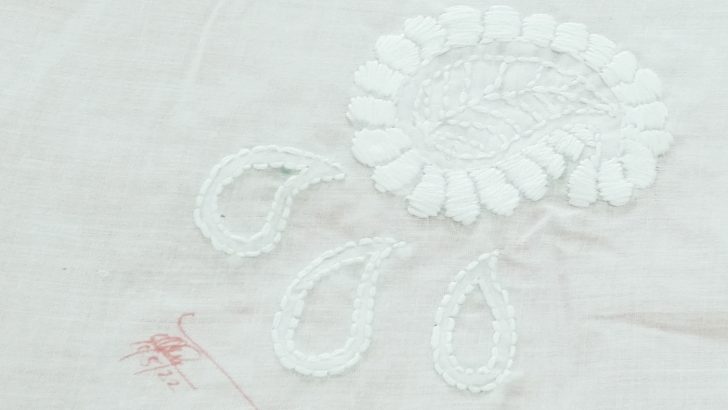
The global art of embroidery has transcended borders and time, weaving together the stories, traditions, and identities of cultures across the world. From the intricate patterns of Indian phulkari to the bold geometric designs of Moroccan zellige, embroidery is more than just a decorative craft—it is a living testament to human creativity and cultural heritage. This article explores how embroidery has evolved over centuries, its role in different societies, and its enduring appeal in both traditional and contemporary contexts.
The Historical Roots of Embroidery
Embroidery dates back thousands of years, with evidence of its existence found in ancient civilizations such as Egypt, China, and Mesopotamia. In these early societies, embroidery was often used to signify status, wealth, and religious devotion. For instance, in ancient Egypt, embroidered garments were reserved for royalty and high-ranking officials, while in China, silk embroidery became a highly refined art form, particularly during the Tang Dynasty (618–907 CE). These early examples highlight how embroidery was not merely an aesthetic pursuit but also a symbol of power and identity.
In Europe, embroidery flourished during the Middle Ages, especially in the form of tapestries and liturgical vestments. The famous Bayeux Tapestry, which depicts the Norman Conquest of England in 1066, is a prime example of how embroidery could narrate historical events with remarkable detail. Similarly, in the Islamic world, embroidery played a significant role in the decoration of textiles, often featuring intricate floral and calligraphic motifs that reflected the region’s artistic and spiritual values.
Cultural Significance and Symbolism
Across the globe, embroidery has been deeply intertwined with cultural symbolism and social customs. In many communities, embroidered garments serve as markers of regional identity and family heritage. For example, in India, the state of Punjab is known for its vibrant phulkari embroidery, where flowers and birds are stitched onto fabric using colored threads. This style is often associated with wedding attire and is passed down through generations as a cherished tradition.
In Japan, the art of sashiko embroidery has long been used to reinforce and repair clothing, particularly in rural areas. The repetitive, rhythmic stitching not only strengthens the fabric but also carries a sense of mindfulness and patience, reflecting the values of Japanese craftsmanship. Meanwhile, in the Andes of South America, indigenous communities use embroidery to tell stories of their ancestors, with each pattern representing elements of nature, mythology, or community life.
These examples illustrate how embroidery is far more than a decorative practice—it is a language of culture, history, and identity. Each stitch carries meaning, and the act of embroidery itself becomes a form of storytelling and preservation.
Modern Adaptations and Global Influence
While traditional embroidery continues to thrive, modern artists and designers have reimagined this ancient craft in innovative ways. Contemporary fashion houses often incorporate hand-embroidered details into their collections, blending traditional techniques with modern aesthetics. Designers like Alexander McQueen and Gucci have showcased the beauty of embroidery on runways, bringing global attention to the skill and artistry involved.
In addition, embroidery has become a popular medium for personal expression and activism. Artists around the world use embroidery to address social issues, from gender equality to environmental conservation. For example, the “Needlework for Change” movement has seen embroiderers create pieces that highlight important causes, using their craft as a tool for dialogue and awareness.
Moreover, the rise of online platforms and digital tools has made embroidery more accessible to people worldwide. Online tutorials, virtual classes, and global communities allow enthusiasts to learn and share techniques regardless of their location. This democratization of embroidery has led to a resurgence of interest in the craft, with new generations embracing it as both a hobby and a form of creative expression.
The Future of Embroidery
As we look to the future, the global art of embroidery shows no signs of fading. Its adaptability, cultural richness, and emotional depth ensure that it will continue to inspire and connect people across the world. Whether through traditional practices or modern innovations, embroidery remains a powerful way to preserve heritage, express individuality, and celebrate the beauty of human creativity.
For those interested in exploring embroidery, there are countless resources available—from local workshops to international exhibitions. By engaging with this timeless craft, individuals can not only appreciate its historical significance but also contribute to its ongoing evolution. In a rapidly changing world, embroidery stands as a reminder of the enduring value of art, tradition, and human connection.
