Start embroidery business: A Complete Guide to Launching Your Creative Venture in the US. Embroidery has long been a cherished art form, blending creativity with craftsmanship to produce unique and personalized designs. In recent years, the demand for handmade and custom-made items has surged, making embroidery an attractive option for entrepreneurs looking to start a small business. Whether you’re a seasoned crafter or a complete beginner, launching an embroidery business in the United States can be a rewarding and profitable endeavor. This guide will walk you through the essential steps to turn your passion for embroidery into a successful venture.
Understanding the Market and Identifying Your Niche
Before diving into the world of embroidery, it’s crucial to understand the market landscape and identify your niche. The U.S. market for handmade and custom products is vast, with consumers increasingly seeking unique, high-quality items that reflect their personal style. However, competition can be fierce, so finding a specific area where you can stand out is key.
Some popular niches include:
- Custom apparel: T-shirts, hats, and jackets with personalized embroidery
- Wedding and event accessories: Monogrammed linens, table runners, and bridesmaid attire
- Home decor: Throw pillows, curtains, and wall art
- Pet accessories: Collars, leashes, and bandanas
By focusing on a particular niche, you can tailor your marketing efforts and build a loyal customer base. Conducting market research through online surveys, social media polls, and competitor analysis can help you determine what products are in demand and how to differentiate your offerings.
Setting Up Your Business
Once you’ve identified your niche, the next step is to set up your business. This involves several key components:
-
Business Name and Legal Structure
Choose a memorable and brandable name that reflects your style and values. Decide on a legal structure—such as sole proprietorship, LLC, or corporation—that best suits your needs and offers the right level of liability protection. -
Register Your Business
Register your business with your state and local government. You may also need to obtain a federal tax ID (EIN) from the IRS. Additionally, check if you need any specific licenses or permits to operate legally in your area. -
Set Up a Workspace
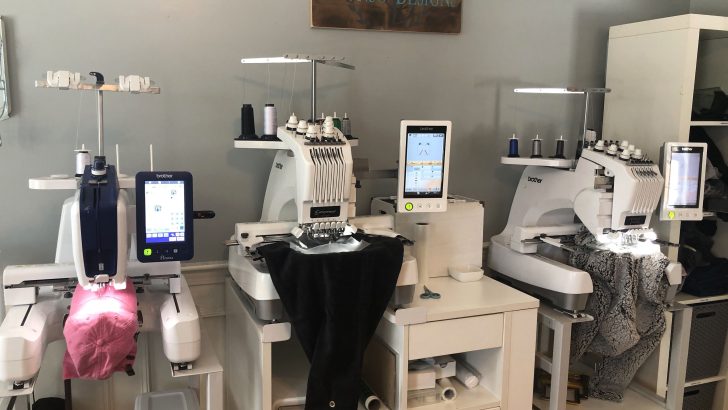
Create a dedicated workspace that allows you to work efficiently. This could be a home studio or a rented space. Invest in quality embroidery machines, needles, threads, and other necessary tools to ensure your work meets high standards. -
Create a Website and Social Media Presence
A professional website is essential for showcasing your work and attracting customers. Platforms like Shopify or Etsy can help you sell your products online. Use social media channels such as Instagram and Pinterest to build your brand and engage with potential clients.
Marketing Your Embroidery Business
Marketing plays a vital role in the success of any small business. Here are some effective strategies to promote your embroidery venture:
- Leverage Social Media: Share behind-the-scenes content, customer testimonials, and finished projects on platforms like Instagram and Facebook. Use hashtags relevant to your niche to increase visibility.
- Collaborate with Local Businesses: Partner with boutiques, cafes, and event planners to offer custom embroidery services or display your work in their spaces.
- Offer Promotions and Discounts: Attract new customers by offering limited-time discounts, free shipping, or bundle deals.
- Attend Craft Fairs and Markets: Participate in local craft fairs and pop-up markets to connect with potential customers and gain exposure.
Managing Your Operations
Efficient operations are crucial for maintaining quality and meeting customer expectations. Consider the following tips:
- Organize Your Workflow: Develop a system for managing orders, tracking inventory, and scheduling embroidery sessions. Tools like Excel spreadsheets or project management apps can streamline your processes.
- Maintain Quality Control: Ensure every piece you produce meets your standards. Regularly inspect your work and seek feedback from customers to improve your offerings.
- Handle Customer Service Effectively: Respond promptly to inquiries and resolve any issues quickly. Positive customer experiences can lead to repeat business and referrals.
Scaling Your Business
As your embroidery business grows, you may want to explore ways to scale your operations. This could involve hiring additional staff, expanding your product line, or increasing your online presence. Diversifying your revenue streams by offering embroidery classes or selling digital patterns can also provide new opportunities for growth.
In conclusion, starting an embroidery business in the United States requires careful planning, dedication, and a clear understanding of your target market. By following these steps and staying committed to your craft, you can build a successful and fulfilling creative venture. With the right approach, your embroidery business can thrive in today’s competitive marketplace.
