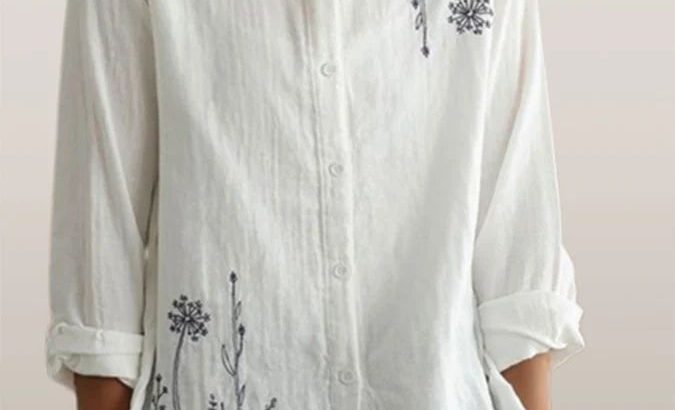
Minimalist embroidery motifs have been making a significant impact in the world of modern fashion, offering a blend of simplicity and sophistication that resonates with contemporary aesthetics. These designs, characterized by their clean lines, subtle details, and restrained color palettes, provide a refreshing alternative to more elaborate and intricate patterns. As the fashion industry continues to evolve, minimalist embroidery has emerged as a popular choice for designers and consumers alike, reflecting a growing appreciation for understated elegance and timeless beauty.
The Rise of Minimalism in Fashion
The concept of minimalism in fashion is not new, but its resurgence in recent years has been driven by a desire for authenticity and sustainability. Consumers are increasingly seeking clothing that is both functional and meaningful, and minimalist embroidery motifs align perfectly with this trend. By focusing on simplicity, these designs allow the quality of the fabric and the craftsmanship to shine through, rather than relying on excessive embellishments. This approach not only enhances the visual appeal of garments but also promotes a more mindful and intentional way of dressing.
Key Characteristics of Minimalist Embroidery Motifs
One of the defining features of minimalist embroidery is its use of negative space. Rather than filling every inch of fabric with intricate patterns, designers often leave areas untouched, creating a sense of balance and harmony. This technique allows the eye to rest and emphasizes the overall structure of the piece. Additionally, minimalist embroidery often incorporates geometric shapes, such as circles, triangles, and lines, which add a modern and structured feel to the design. These elements can be combined in various ways to create unique and visually striking compositions.
Another important aspect of minimalist embroidery is the choice of colors. While bold and vibrant hues are certainly appealing, minimalist designs tend to favor muted tones and neutral shades. This not only gives the garments a more refined look but also makes them easier to style and incorporate into different wardrobes. Common color choices include soft pastels, earthy tones, and classic black and white, all of which contribute to a timeless aesthetic.
Applications in Modern Fashion
Minimalist embroidery motifs are being used across a wide range of fashion categories, from casual wear to high-end couture. In everyday clothing, such as t-shirts, jackets, and skirts, these designs add a touch of personality without overwhelming the overall look. They are particularly popular in streetwear and athleisure, where comfort and style go hand in hand. For more formal occasions, minimalist embroidery can be found on blazers, dresses, and accessories, providing a subtle yet sophisticated detail that elevates the entire outfit.
In addition to clothing, minimalist embroidery is also being used in accessories like handbags, scarves, and hats. These items offer a great opportunity to showcase the artistry of embroidery while maintaining a sleek and modern appearance. By incorporating these motifs into accessories, designers can create cohesive looks that are both stylish and versatile.
The Art of Crafting Minimalist Embroidery
Creating minimalist embroidery requires a careful balance between simplicity and artistry. Designers must consider the placement of each stitch, ensuring that it complements the overall design without overpowering it. This process often involves a lot of planning and precision, as even the smallest detail can have a significant impact on the final result. Many artisans use techniques such as cross-stitch, backstitch, and satin stitch to achieve the desired effect, each of which offers a different texture and visual appeal.
The materials used in minimalist embroidery are also carefully selected to enhance the design. High-quality threads, such as cotton or silk, are often preferred for their durability and softness. These materials not only last longer but also contribute to the overall elegance of the piece. In some cases, designers may incorporate natural elements, such as beads or sequins, to add a subtle sparkle without compromising the minimalist aesthetic.
Why Minimalist Embroidery Resonates with Today’s Audience
There are several reasons why minimalist embroidery has become so popular in today’s fashion landscape. One of the main factors is the shift towards sustainability and ethical consumption. By choosing garments with minimalist embroidery, consumers are often supporting smaller, independent designers who prioritize quality over quantity. This aligns with a broader movement towards conscious shopping and reducing waste.
Additionally, minimalist embroidery appeals to those who value individuality and self-expression. Unlike mass-produced items that often lack uniqueness, embroidered pieces can be customized to reflect personal style and preferences. This level of customization allows individuals to stand out while still embracing a minimalist approach.
Conclusion
Minimalist embroidery motifs represent a beautiful fusion of tradition and modernity, offering a fresh perspective on how embroidery can be used in fashion. Their simplicity, elegance, and versatility make them an excellent choice for both designers and consumers looking to create or wear meaningful, well-crafted clothing. As the fashion industry continues to evolve, it is clear that minimalist embroidery will remain a relevant and influential trend for years to come.
