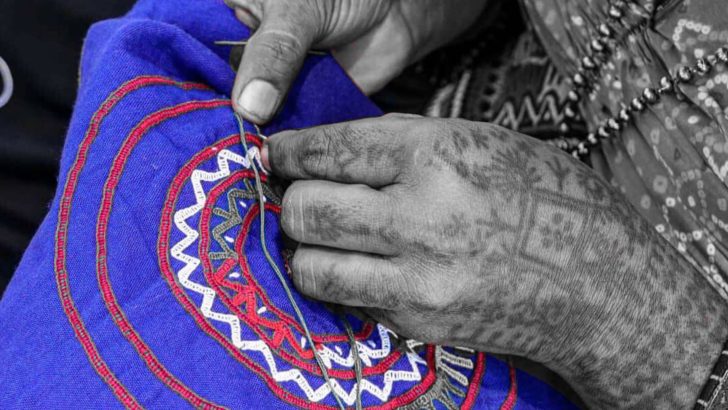
Manual embroidery has long been a testament to human creativity, blending artistry with cultural heritage across generations. From the intricate patterns of Indian kantha to the delicate floral motifs of Chinese silk embroidery, this age-old craft continues to thrive in the hands of global artisans. As modernization accelerates and digital technologies dominate the creative landscape, manual embroidery remains a powerful symbol of tradition, patience, and personal expression. This article explores how artisans around the world preserve and innovate this ancient practice, ensuring its relevance in today’s fast-paced society.
The Cultural Significance of Manual Embroidery
Embroidery is more than just a decorative technique; it is a narrative woven into fabric. In many cultures, it serves as a medium for storytelling, preserving history, and conveying social status. For instance, in Morocco, Berber women use traditional embroidery to create vibrant textiles that reflect their tribal identities and ancestral stories. Each stitch carries meaning, often depicting symbols of protection, fertility, or prosperity. Similarly, in Japan, sashiko embroidery, originally used for reinforcing fabric, has evolved into a form of artistic expression that emphasizes simplicity and harmony. These examples illustrate how manual embroidery is deeply rooted in cultural identity, making it an essential part of heritage preservation.
Techniques and Materials Across Cultures
The diversity of manual embroidery techniques reflects the unique resources and aesthetics of different regions. In India, artisans use a variety of threads, including silk, cotton, and metallic yarns, to create elaborate designs. The art of phulkari, for example, involves hand-stitching colorful patterns onto coarse cotton, often used in wedding attire. Meanwhile, in the Philippines, the art of “saya” embroidery features intricate floral and geometric patterns, typically done on white or light-colored fabrics. In Central Asia, Uzbek and Kazakh embroiderers incorporate gold and silver threads into their work, creating opulent textiles that are worn during special occasions. These regional variations highlight the adaptability of manual embroidery, which can be tailored to local materials and aesthetic preferences.
Challenges Faced by Modern Artisans
Despite its rich legacy, manual embroidery faces significant challenges in the contemporary world. Mass-produced textiles and the rise of machine embroidery have made it difficult for traditional artisans to compete in the market. Many young people are also turning away from these crafts, viewing them as time-consuming and less profitable compared to other careers. Additionally, the decline of local textile industries has led to a shortage of high-quality materials, further complicating the work of artisans. However, some communities are finding innovative ways to overcome these obstacles. By leveraging online platforms, artisans can reach a global audience, selling their work directly to consumers who appreciate the value of handmade craftsmanship.
Reviving Interest Through Education and Collaboration
Efforts to revive interest in manual embroidery often begin with education. Workshops, apprenticeships, and community programs are helping to pass down these skills to new generations. In countries like Bangladesh, organizations such as the Bangladesh Garment Manufacturers and Exporters Association (BGMEA) have launched initiatives to train women in traditional embroidery techniques, providing them with sustainable income opportunities. Collaborations between artisans and designers are also playing a crucial role in keeping the craft relevant. Fashion houses and independent brands are increasingly incorporating hand-embroidered elements into their collections, bridging the gap between tradition and modernity. These partnerships not only provide financial support to artisans but also elevate the visibility of their work on international stages.
The Future of Manual Embroidery
As the world becomes more interconnected, the future of manual embroidery looks promising. With growing consumer demand for ethical and sustainable fashion, there is a renewed appreciation for handmade products. Artisans are now experimenting with new color palettes, hybrid techniques, and eco-friendly materials, ensuring that their craft evolves without losing its essence. Social media has also become a powerful tool for artisans to showcase their work, connect with buyers, and build supportive communities. By embracing both tradition and innovation, manual embroidery can continue to thrive as a living art form, inspiring future generations to cherish and preserve its beauty.
Conclusion
Manual embroidery is more than just a skill—it is a bridge between past and present, a celebration of cultural diversity, and a testament to human resilience. As global artisans navigate the challenges of the modern era, they remain steadfast in their commitment to preserving this timeless craft. Through education, collaboration, and creative adaptation, manual embroidery is not only surviving but also finding new life in a rapidly changing world. Its continued existence ensures that the stories, traditions, and artistry of countless communities will endure for generations to come.
