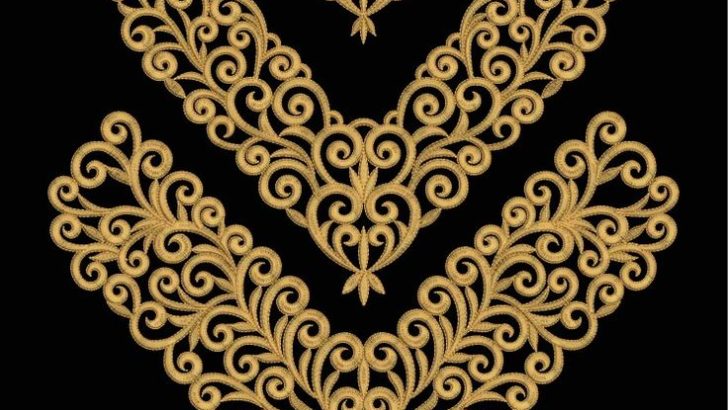
The art of embroidery on baju, or traditional Indonesian clothing, has long been a symbol of cultural heritage and craftsmanship. As global fashion trends evolve, the intricate techniques and vibrant designs of embroidered baju have found their way into international runways, inspiring designers and collectors alike. This fusion of tradition and modernity not only preserves ancient skills but also redefines how cultural textiles are perceived in contemporary fashion. From the delicate floral patterns of Javanese batik to the bold geometric motifs of Sumatran textiles, each region contributes a unique narrative that enriches the global sartorial landscape. The integration of these elements into high fashion has sparked a renewed interest in handcrafted textiles, making embroidered baju a focal point in discussions about sustainability and cultural preservation.
The Historical Roots of Embroidery in Baju
Embroidery on baju dates back centuries, deeply embedded in the social and spiritual practices of various Indonesian communities. In Java, for instance, the use of gold thread and intricate floral patterns was reserved for royalty and ceremonial attire, reflecting the wearer’s status and connection to ancestral traditions. Similarly, in Bali, embroidery often incorporates symbolic motifs representing protection, fertility, and prosperity, with each stitch carrying a deeper meaning. These historical roots have not only shaped the aesthetic appeal of baju but also ensured that the craft remains a living tradition passed down through generations. The meticulous process of creating embroidered baju involves multiple stages, from selecting the fabric to hand-stitching the design, each step requiring patience and expertise.
Modern Interpretations and Global Influence
In recent years, the global fashion industry has increasingly turned to traditional crafts like embroidery as a means of differentiation and storytelling. Designers from around the world have begun incorporating elements of baju into their collections, blending indigenous techniques with contemporary silhouettes. This trend is particularly evident in the rise of “slow fashion,” where consumers seek out ethically produced, culturally rich garments that stand apart from mass-produced alternatives. For example, several international brands have collaborated with Indonesian artisans to create limited-edition pieces that feature authentic embroidery, allowing the craft to reach new audiences while supporting local economies. These collaborations not only elevate the visibility of baju but also provide economic opportunities for skilled embroiderers who might otherwise struggle to sustain their trade in a rapidly industrializing world.
Sustainability and Ethical Fashion
The resurgence of interest in embroidered baju aligns with broader movements toward sustainable and ethical fashion. Unlike fast fashion, which relies on cheap labor and synthetic materials, traditional embroidery emphasizes quality, durability, and environmental consciousness. Many Indonesian artisans use natural dyes and locally sourced fabrics, reducing the carbon footprint of their creations. Additionally, the handmade nature of embroidered baju ensures that each piece is unique, contrasting sharply with the uniformity of factory-made garments. As consumers become more aware of the environmental and social impact of their purchases, the demand for such artisanal products continues to grow. This shift has encouraged a dialogue between traditional craftsmen and modern designers, fostering innovation while respecting the integrity of time-honored techniques.
Challenges and Opportunities for Artisans
Despite the growing appreciation for embroidered baju, many artisans still face significant challenges in sustaining their craft. The rise of digital printing and machine embroidery has led to a decline in demand for hand-stitched pieces, making it difficult for traditional makers to compete in a market dominated by speed and cost efficiency. Moreover, younger generations often view the craft as outdated or impractical, leading to a loss of knowledge and skills. However, there are also emerging opportunities that could help preserve and revitalize this art form. Online platforms and social media have enabled artisans to showcase their work to a global audience, connecting them with potential buyers and collaborators. Educational initiatives and workshops are also playing a crucial role in teaching young people the value of traditional embroidery, ensuring its survival for future generations.
The Future of Embroidered Baju in Global Fashion
As the fashion industry continues to embrace diversity and authenticity, the future of embroidered baju looks promising. The increasing recognition of cultural textiles as valuable assets in high fashion suggests that the craft will remain relevant for years to come. Moreover, the emphasis on sustainability and ethical production aligns perfectly with the principles of traditional embroidery, reinforcing its place in the modern wardrobe. By supporting artisans and celebrating the stories behind each piece, consumers can contribute to the preservation of this beautiful art form. Whether worn as a statement piece on a runway or as a cherished heirloom, embroidered baju continues to bridge the past and present, offering a glimpse into the rich cultural tapestry of Indonesia and beyond.
