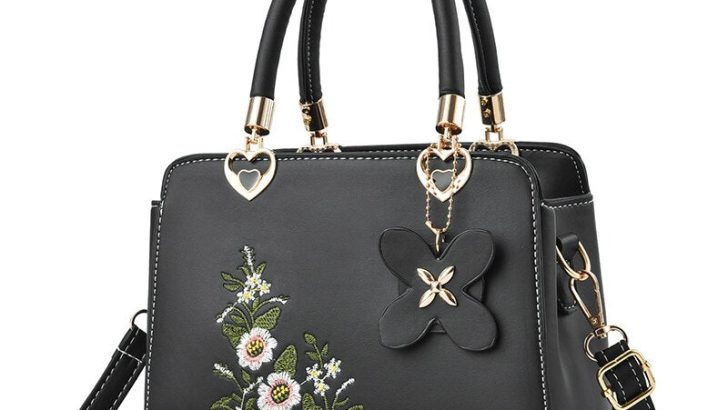
Personalized name embroidery has become a global phenomenon, transcending cultural boundaries and evolving into a unique expression of identity, heritage, and individuality. From traditional garments in Asia to modern fashion statements in the West, the practice of incorporating names through embroidery reflects a deep-seated desire for personalization in an increasingly standardized world. This trend is not only about aesthetics but also about storytelling, memory, and connection. As consumers seek more meaningful and bespoke experiences, personalized name embroidery has gained momentum across different regions, each with its own distinct approach and significance.
The Rise of Personalization in Global Fashion
The demand for personalized items has surged in recent years, driven by the rise of e-commerce platforms and social media. Consumers are no longer satisfied with mass-produced goods; instead, they seek products that reflect their individuality. This shift has led to a boom in customized clothing, accessories, and home decor, with name embroidery being one of the most popular forms of personalization. In many cases, embroidery allows for a subtle yet powerful way to make an item uniquely yours. Whether it’s a monogrammed handbag or a tailored jacket, the inclusion of a name adds a layer of meaning that goes beyond mere decoration.
In the fashion industry, brands have embraced this trend by offering custom embroidery services. Luxury labels such as Gucci and Louis Vuitton now provide options for clients to add their initials or full names to bags, shoes, and other accessories. Similarly, fast-fashion retailers like Zara and H&M have introduced affordable customization options, making personalized embroidery accessible to a broader audience. This democratization of personalization has contributed to the widespread popularity of the trend, allowing people from all walks of life to express themselves through their clothing and belongings.
Cultural Significance of Name Embroidery
While the trend may seem modern, the concept of embedding names into textiles has deep historical roots in many cultures. In Japan, for example, the art of sashiko stitching often includes patterns that symbolize protection and good fortune, though personalization through names is less common. However, in countries like India, name embroidery has long been a part of traditional attire. Brides often wear saris or lehengas adorned with their names, especially during weddings, as a way to honor their new identity and family legacy.
In the Middle East, embroidery is a vital part of cultural heritage, with intricate patterns often passed down through generations. While names are not always directly embroidered, the motifs and colors used in traditional garments can carry symbolic meanings that reflect a person’s background and status. In some communities, embroidery is also used to mark the transition from childhood to adulthood, with specific designs indicating a person’s name or lineage.
In Europe, the tradition of monogramming dates back centuries, particularly in the context of royal and noble families. Monograms were used to identify possessions and convey status, a practice that continues today in high-end fashion and interior design. The use of initials or full names in embroidery remains a symbol of sophistication and exclusivity, often seen on luxury linens, scarves, and even furniture.
Modern Innovations in Personalized Embroidery
Technological advancements have revolutionized the way personalized embroidery is created and applied. Digital embroidery machines now allow for precise and detailed designs, making it easier than ever to customize items with names, initials, or even small illustrations. This has opened up new possibilities for creativity, enabling individuals to combine text with symbols, logos, or cultural motifs.
One of the most notable innovations is the use of laser cutting and heat transfer techniques to create embroidered designs on a variety of materials, including denim, leather, and synthetic fabrics. These methods offer greater flexibility and durability, ensuring that the embroidery remains intact even after multiple washes. Additionally, the availability of online embroidery services has made it possible for people to design and order custom items from anywhere in the world, further expanding the reach of this trend.
Another emerging trend is the use of name embroidery in sustainable fashion. Many eco-conscious brands are incorporating personalized elements into their products as a way to encourage long-term ownership and reduce waste. By allowing customers to add their names to a garment, these brands foster a deeper emotional connection between the consumer and the product, promoting a more mindful approach to fashion consumption.
The Future of Personalized Name Embroidery
As the trend continues to evolve, it is likely that personalized name embroidery will become even more integrated into everyday life. With the increasing emphasis on individuality and self-expression, more people will seek ways to make their belongings stand out. This could lead to new innovations in materials, techniques, and design approaches, further enhancing the appeal of name embroidery.
Moreover, as globalization continues to shape cultural practices, we may see a blending of traditional and modern embroidery styles. For instance, Western-style monograms could be combined with traditional motifs from other regions, creating a fusion that celebrates both heritage and personal identity. This cross-cultural exchange could inspire new trends and broaden the appeal of personalized embroidery on a global scale.
In conclusion, personalized name embroidery is more than just a fashion statement—it is a reflection of how individuals choose to express themselves in an interconnected world. Whether rooted in tradition or inspired by modern technology, the trend continues to thrive, offering a meaningful way to connect with others and celebrate one’s unique identity. As the demand for customization grows, the future of name embroidery looks brighter than ever.
