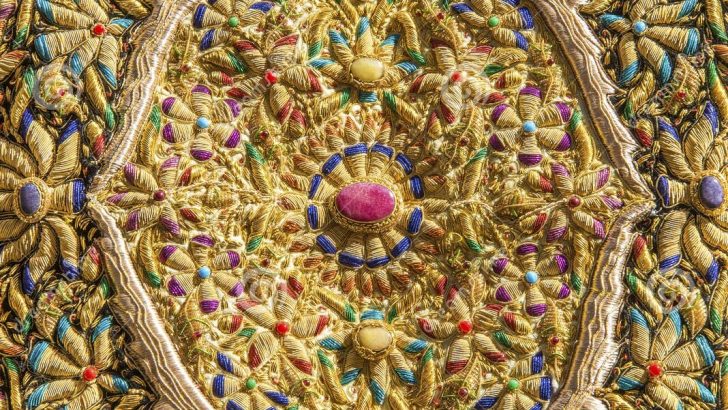
International Edition of Embroidery Shops: A Global Guide to Finding the Best Stitched Treasures is a celebration of the timeless art of embroidery, a craft that has transcended borders and generations. From the intricate patterns of traditional Japanese sashiko to the bold, colorful designs of Mexican huipiles, embroidery is more than just decoration; it is a form of cultural expression and personal storytelling. As the global market for handmade and artisanal goods continues to grow, so does the demand for unique, high-quality embroidered pieces. This guide explores the best embroidery shops around the world, offering insight into their distinctive styles, histories, and the artisans behind them. Whether you’re a collector, a fashion enthusiast, or simply someone who appreciates the beauty of handcrafted work, this article will help you navigate the vibrant world of embroidery shops in an international context.
The Rise of Handmade Embroidery in the Modern Era
The resurgence of interest in handmade and sustainable fashion has brought embroidery back into the spotlight. Consumers are increasingly seeking out products that reflect authenticity, craftsmanship, and ethical production. This shift has led to a boom in embroidery shops that cater to both local and global markets. These shops often operate as small-scale businesses, with artisans using traditional techniques passed down through generations. In many cases, these shops are not only sources of beautiful textiles but also vital contributors to preserving cultural heritage.
For example, in India, the state of Andhra Pradesh is known for its rich tradition of kantha embroidery, a technique that involves stitching together layers of fabric to create intricate patterns. Local embroidery shops in cities like Hyderabad and Visakhapatnam offer everything from traditional sarees to modern home décor items, all infused with the region’s unique aesthetic. Similarly, in Morocco, the art of zellige embroidery, though less common, can be found in select shops that specialize in hand-stitched tapestries and wall hangings. These examples highlight how embroidery shops serve as bridges between tradition and contemporary design.
Must-Visit Embroidery Shops Around the World
Embroidery shops can be found in every corner of the globe, each offering a distinct style and approach to the craft. Here are some of the most notable ones that have gained international recognition:
- Lana Embroidery (India) – Based in Jaipur, Lana Embroidery is a pioneer in blending traditional Indian embroidery techniques with modern fashion. The shop offers a wide range of garments, accessories, and home decor items, all made by skilled artisans. Their collections often feature motifs inspired by Mughal architecture and Rajasthani folk art.
- Casa de Costura (Mexico) – Located in Oaxaca, Casa de Costura is a boutique that specializes in indigenous embroidery. The shop works closely with Zapotec and Mixtec communities to produce hand-stitched blouses, skirts, and bags that reflect the region’s vibrant culture.
- The Embroidery Co. (United Kingdom) – This London-based shop focuses on contemporary embroidery, offering personalized stitching services for customers looking to add a unique touch to their clothing or accessories. Their bespoke approach has made them a favorite among fashion designers and collectors.
- Korean Embroidery Studio (South Korea) – Known for its meticulous attention to detail, this studio in Seoul produces embroidered textiles that blend traditional Korean patterns with modern aesthetics. Their work has been featured in international fashion shows and exhibitions.
These shops exemplify the diversity and creativity that define the global embroidery scene. Each one contributes to the preservation and evolution of this ancient craft.
How to Choose the Right Embroidery Shop
With so many embroidery shops available, it can be challenging to determine which ones are worth visiting or supporting. Here are a few tips to help you make an informed choice:
- Research the Artisan’s Background – Look for shops that provide information about the artisans who create the pieces. Supporting shops that prioritize fair trade practices ensures that the craftspeople receive proper compensation for their work.
- Check for Authenticity – Be wary of mass-produced items that mimic traditional embroidery. Authentic pieces are usually made with natural materials and involve time-consuming techniques that cannot be replicated by machines.
- Read Reviews and Testimonials – Online reviews can give you insight into the quality of the products and the reliability of the shop. Many embroidery shops have active social media presence, where customers share their experiences.
- Explore Local Markets – In many countries, local markets are treasure troves of handmade embroidery. Visiting these markets allows you to interact directly with artisans and gain a deeper appreciation for their craft.
By taking these steps, you can ensure that your purchases support genuine craftsmanship and contribute to the sustainability of the embroidery industry.
The Future of Embroidery Shops in a Digital Age
As technology continues to shape the way we shop, embroidery shops are adapting to new platforms and trends. E-commerce has become a crucial avenue for these businesses, allowing them to reach a wider audience beyond their local communities. Many shops now maintain online stores, where customers can browse and purchase embroidered items from anywhere in the world. Social media platforms like Instagram and Pinterest have also played a significant role in promoting embroidery, with artists and shops using these channels to showcase their work and connect with potential buyers.
In addition, the rise of digital embroidery tools has enabled some shops to experiment with new designs while still honoring traditional techniques. This fusion of old and new ensures that embroidery remains relevant and accessible to future generations. As the global demand for handmade goods continues to grow, the future of embroidery shops looks promising, with opportunities for innovation, collaboration, and cultural exchange.
