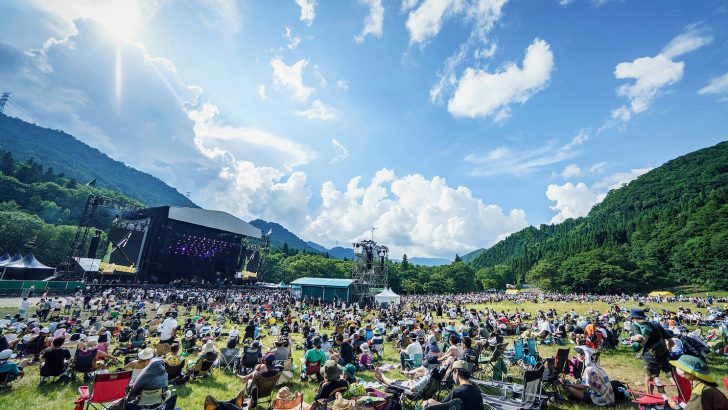
Furing Rok, a term that has recently captured the attention of global audiences, represents more than just a trend—it is a cultural phenomenon that has transcended borders and resonated with diverse communities. Originating from a unique blend of traditional practices and modern creativity, Furing Rok has evolved into a symbol of innovation and connection in an increasingly interconnected world. This article delves into the origins, characteristics, and far-reaching impact of Furing Rok, exploring how it has become a significant force in contemporary culture.
The Origins of Furing Rok
The roots of Furing Rok can be traced back to a small community known for its rich heritage and artistic expression. Initially, it was a local tradition used to celebrate seasonal changes and communal gatherings. The practice involved intricate rituals, vibrant performances, and symbolic gestures that conveyed deep cultural meanings. Over time, as word of this unique celebration spread, it began to attract the interest of outsiders, leading to its gradual transformation into a broader movement.
What sets Furing Rok apart is its ability to adapt while maintaining its core essence. Unlike many cultural practices that risk dilution when exposed to external influences, Furing Rok has managed to retain its authenticity while embracing new interpretations. This balance has allowed it to thrive in different contexts, making it a versatile and enduring symbol of cultural identity.
Characteristics of Furing Rok
At its core, Furing Rok is characterized by a fusion of artistry, symbolism, and community engagement. One of its most distinctive features is the use of visual elements such as color, pattern, and movement, which are often incorporated into performances, crafts, and public displays. These elements serve as a means of storytelling, conveying messages about history, values, and collective experiences.
Another key aspect of Furing Rok is its emphasis on participation. Unlike passive cultural expressions, Furing Rok encourages active involvement from individuals and groups, fostering a sense of belonging and shared purpose. This participatory nature has contributed to its widespread appeal, as people from different backgrounds find ways to connect with its themes and activities.
Moreover, Furing Rok is deeply rooted in sustainability and environmental consciousness. Many of its practices incorporate eco-friendly materials and promote awareness of natural cycles, aligning with global efforts to address ecological challenges. This alignment with contemporary issues has further enhanced its relevance and resonance in today’s society.
The Global Reach of Furing Rok
As Furing Rok gained recognition, it began to spread beyond its place of origin, influencing artists, designers, and cultural enthusiasts around the world. In cities like Tokyo, Paris, and New York, Furing Rok-inspired events and installations have emerged, showcasing its adaptability and cross-cultural appeal. These adaptations often reflect local aesthetics and traditions, creating a dynamic interplay between the original concept and new interpretations.
One of the most notable aspects of Furing Rok’s global expansion is its role in promoting cultural exchange. By bringing together people from different backgrounds, it fosters dialogue and understanding, breaking down barriers and encouraging collaboration. This has led to the creation of international festivals, workshops, and collaborative projects that celebrate the diversity and richness of human expression.
Cultural Impact and Social Significance
The influence of Furing Rok extends beyond artistic and social dimensions, touching on important cultural and societal issues. It has become a platform for addressing themes such as identity, resilience, and unity, offering a space for marginalized voices to be heard. Through its inclusive approach, Furing Rok has empowered individuals to express their stories and perspectives, contributing to a more equitable and empathetic society.
In addition, Furing Rok has inspired a new wave of creative industries, including fashion, design, and digital media. Designers have drawn inspiration from its visual language, incorporating its motifs and techniques into their work. This has not only elevated the visibility of Furing Rok but also provided economic opportunities for artisans and creators who are part of its legacy.
Furthermore, Furing Rok has played a role in preserving and revitalizing traditional practices. By integrating them into modern contexts, it ensures that these cultural elements remain relevant and accessible to future generations. This preservation effort is crucial in an era where globalization often threatens the survival of indigenous and local traditions.
The Future of Furing Rok
As Furing Rok continues to evolve, its future remains promising. With the growing interest in cultural diversity and sustainable practices, it is likely to gain even more traction in the coming years. However, its success will depend on maintaining its authenticity while embracing innovation. This requires careful stewardship from those who are involved in its development, ensuring that it remains a meaningful and impactful movement.
In conclusion, Furing Rok is more than just a cultural trend—it is a testament to the power of creativity, community, and connection. Its journey from a local tradition to a global phenomenon highlights the potential for cultural expressions to transcend boundaries and inspire change. As it continues to grow, Furing Rok will undoubtedly leave a lasting legacy, enriching the lives of those who engage with it.
