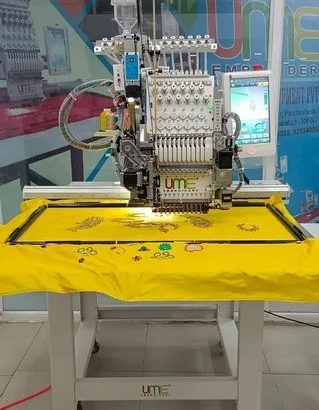
Computer embroidery in Bekasi has emerged as a significant trend within the textile industry, reflecting the city’s dynamic growth and its increasing role in Indonesia’s manufacturing sector. Located just east of Jakarta, Bekasi has long been known for its industrial zones and garment production. However, the integration of computerized embroidery technology has elevated the city’s position in the global textile market, offering new opportunities for both local and international businesses. This innovation not only enhances the quality and efficiency of textile production but also allows for greater customization and creativity in design. As more manufacturers adopt this technology, Bekasi is becoming a hub for advanced textile solutions that cater to a wide range of industries, from fashion to home décor. The shift towards computer embroidery marks a pivotal moment in the evolution of the textile industry in Bekasi, signaling a move toward modernization and technological advancement.
The Rise of Computer Embroidery Technology
The adoption of computer embroidery technology in Bekasi has been driven by the need for precision, speed, and flexibility in textile production. Traditional hand-embroidery methods, while still valued for their artistry, are often time-consuming and labor-intensive. In contrast, computerized embroidery machines can produce intricate designs with remarkable accuracy and consistency. These machines use digital patterns that are programmed into the system, allowing for rapid replication of complex motifs without compromising quality. This shift has enabled textile producers in Bekasi to meet the growing demand for customized products, particularly in the fashion and corporate sectors where branding and personalized designs are highly sought after. Additionally, the ability to quickly adjust designs and create prototypes has made it easier for local manufacturers to respond to changing consumer preferences and market trends. The widespread use of computer embroidery has also reduced the reliance on manual labor, leading to increased productivity and cost-effectiveness in the production process.
Impact on Local Textile Businesses
For many small and medium-sized enterprises (SMEs) in Bekasi, the introduction of computer embroidery has been a game-changer. These businesses, which previously struggled to compete with larger manufacturers, now have access to advanced tools that allow them to produce high-quality embroidered products at a lower cost. By investing in computerized embroidery machines, local entrepreneurs can expand their product offerings, enter new markets, and even export their goods to other countries. This has led to a surge in innovation, as designers and manufacturers experiment with new techniques and materials to create unique and eye-catching embroidered pieces. Moreover, the availability of affordable embroidery services has encouraged collaboration between textile producers and fashion designers, resulting in a vibrant creative ecosystem in Bekasi. The rise of computer embroidery has also contributed to the development of ancillary industries, such as fabric suppliers, thread manufacturers, and pattern designers, further strengthening the local economy.
Challenges and Opportunities
Despite the numerous benefits, the transition to computer embroidery is not without its challenges. One of the primary obstacles is the initial investment required to purchase and maintain the necessary equipment. For smaller businesses, the high cost of embroidery machines and software can be a barrier to entry. Additionally, there is a need for skilled workers who can operate and maintain these machines, which has created a demand for training programs and technical education in the textile sector. Another challenge is the competition from overseas manufacturers, who may offer similar products at lower prices. To remain competitive, Bekasi-based companies must focus on quality, customization, and customer service to differentiate themselves in the global market. At the same time, the opportunities presented by computer embroidery are vast. With the right strategies and support, local manufacturers can leverage this technology to build strong brand identities, expand their customer base, and contribute to Indonesia’s growing textile industry.
Future Prospects and Industry Growth
Looking ahead, the future of computer embroidery in Bekasi appears promising. As technology continues to evolve, we can expect even more advanced features in embroidery machines, such as AI-driven design capabilities and real-time customization options. These innovations will further enhance the efficiency and versatility of textile production, making it easier for businesses to adapt to changing demands. Additionally, the increasing emphasis on sustainability in the fashion industry has led to a growing interest in eco-friendly embroidery practices, such as using biodegradable threads and reducing waste through precise pattern optimization. Bekasi’s textile industry is well-positioned to embrace these trends and become a leader in sustainable and high-tech embroidery solutions. With continued investment in research and development, as well as government support for local manufacturers, the city is likely to solidify its reputation as a key player in the global textile market. The integration of computer embroidery has not only transformed the way textiles are produced in Bekasi but has also opened up new possibilities for growth, creativity, and economic development.
