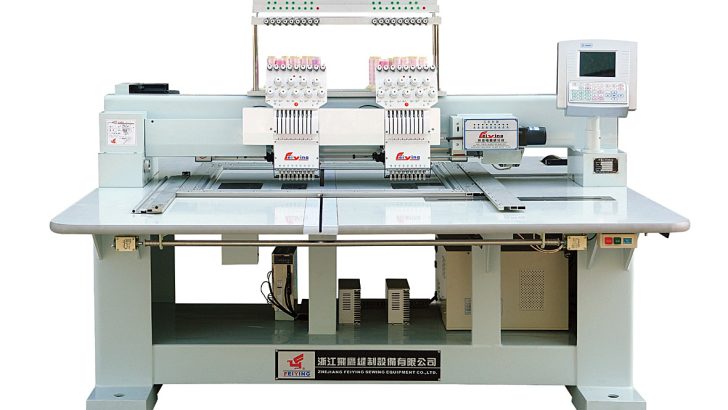
Computer embroidery has emerged as a transformative force in the world of textile artistry, merging traditional craftsmanship with cutting-edge technology. This innovative approach to embroidery is not only redefining how textiles are created but also expanding the possibilities for artists, designers, and manufacturers around the globe. As the demand for personalized and high-quality embroidered products continues to grow, computer embroidery is becoming an essential tool in the modern textile industry. The integration of digital design software with automated stitching machines allows for intricate patterns, precise detailing, and efficient production that were once impossible to achieve manually. This shift is not just about speed or cost; it’s about unlocking new creative avenues that empower artisans to experiment with complex designs and textures.
The Evolution of Embroidery Techniques
Embroidery has a rich history dating back thousands of years, with roots in various cultures across Asia, Africa, and Europe. Traditional methods involved hand-stitching using needles and threads, often requiring immense skill and patience. While these techniques remain valuable, they are time-consuming and limited in terms of scalability. The introduction of mechanical embroidery machines in the 19th century marked a significant advancement, allowing for faster production and more consistent results. However, it wasn’t until the late 20th century that computerized embroidery systems began to revolutionize the field. These systems use digital files to guide the stitching process, enabling designers to create highly detailed and customizable patterns with ease. The evolution from manual to computerized embroidery has not only increased efficiency but also democratized access to this art form, making it more accessible to a wider audience.
Global Adoption and Cultural Influence
Computer embroidery has gained widespread popularity across different regions, each adapting the technology to suit local traditions and aesthetics. In countries like China and India, where textile manufacturing is a major industry, computer embroidery has become a cornerstone of mass production, allowing for the creation of elaborate designs on a large scale. Meanwhile, in Western nations, the focus has shifted toward customization and personalization, with consumers seeking unique embroidered items such as clothing, accessories, and home decor. This global adoption has led to a fusion of styles, where traditional motifs are combined with modern digital techniques to create visually stunning pieces. For instance, Japanese kimonos now feature intricate computer-generated embroidery that blends ancient patterns with contemporary precision. Similarly, African textile art has seen a resurgence through the use of computer embroidery, which enables the replication of traditional symbols with greater accuracy and consistency.
Applications Across Industries
The versatility of computer embroidery has made it a valuable asset in multiple industries, from fashion to interior design and even industrial applications. In the fashion sector, designers use computer embroidery to add texture and visual interest to garments, creating one-of-a-kind pieces that stand out in a competitive market. High-end brands often incorporate embroidered details into their collections, leveraging the technology to achieve complex patterns that would be difficult to replicate by hand. In the home décor industry, computer embroidery is used to embellish pillows, curtains, and table linens, adding a touch of elegance and sophistication. Additionally, the technology has found its way into the medical and technical fields, where it is used to create specialized fabrics with embedded patterns for functional purposes. This broad range of applications highlights the adaptability of computer embroidery and its potential to enhance various aspects of daily life.
The Future of Textile Artistry
As technology continues to advance, the future of computer embroidery looks promising. Innovations such as 3D embroidery and smart textiles are pushing the boundaries of what is possible, opening up new dimensions for creativity. 3D embroidery allows for the creation of raised,立体 designs that add depth and dimension to fabric, while smart textiles integrate electronic components into embroidered patterns, enabling interactive and responsive clothing. These developments are not only expanding the artistic possibilities but also addressing practical needs, such as temperature regulation and health monitoring. Furthermore, the rise of sustainable practices in the textile industry is influencing the development of eco-friendly embroidery solutions, including biodegradable threads and energy-efficient machines. As the industry evolves, computer embroidery will continue to play a pivotal role in shaping the future of textile artistry.
Conclusion
Computer embroidery is more than just a technological advancement—it is a cultural and artistic movement that is reshaping the way we think about textiles. By combining tradition with innovation, it offers a powerful platform for expression, experimentation, and commercial success. As the global community embraces this trend, the possibilities for textile artistry are limitless, ensuring that embroidery remains a vibrant and relevant craft in the modern world. Whether used in fashion, home décor, or industrial applications, computer embroidery is a testament to the enduring power of creativity and the endless potential of technology.
Tinggalkan Balasan
Anda harus masuk untuk berkomentar.