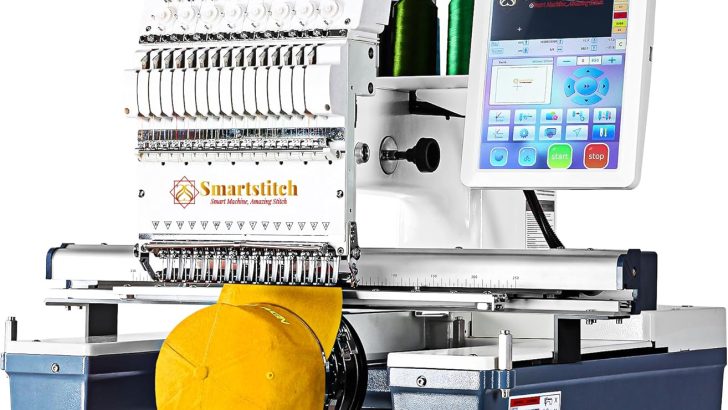
Best Practices for Commercial Embroidery in the United States are essential for businesses aiming to deliver high-quality, durable, and visually appealing embroidered products. As the demand for custom apparel, promotional items, and branded merchandise continues to grow, understanding and implementing best practices can significantly enhance a company’s reputation and customer satisfaction. From selecting the right equipment to managing the production process, each step plays a crucial role in ensuring success in the competitive commercial embroidery market.
Choosing the Right Equipment and Software
The foundation of any successful commercial embroidery operation begins with the right tools. High-quality embroidery machines, such as those from brands like Brother, Janome, or Tajima, are designed to handle large volumes and complex designs efficiently. These machines offer precision, speed, and reliability, which are critical when working on bulk orders. Additionally, investing in software that allows for seamless digitizing and design creation is equally important. Programs like Hatch, Embird, or Wilcom provide advanced features for converting artwork into embroidery files, ensuring that every detail is accurately represented.
Understanding Fabric Types and Thread Quality
Selecting the appropriate fabric and thread is another key factor in achieving professional results. Different fabrics require different techniques and settings to prevent puckering, stretching, or damage. For instance, lightweight fabrics like cotton may need a lower tension setting, while heavier materials like denim might require a higher tension and a larger needle. Similarly, using high-quality threads, such as polyester or rayon, ensures durability and vibrant color retention. It is also advisable to test new fabric and thread combinations before starting a full production run to avoid costly mistakes.
Proper Design Preparation and Digitizing
Before any embroidery project can begin, the design must be properly prepared and digitized. This involves converting logos, text, or artwork into an embroidery file that the machine can interpret. A well-digitized design takes into account factors such as stitch direction, density, and color changes. Poorly digitized designs can lead to issues like thread breakage, uneven stitches, or incomplete coverage. Many commercial embroidery businesses hire skilled digitizers or use specialized software to ensure that every design meets the highest standards.
Maintaining and Calibrating Machines
Regular maintenance and calibration of embroidery machines are essential to ensure consistent performance and longevity. This includes cleaning the machine after each use, replacing needles and bobbins as needed, and checking for any signs of wear or misalignment. Proper calibration ensures that the machine operates at the correct speed and tension, which directly impacts the quality of the final product. Businesses should also keep a maintenance schedule and train employees on proper machine care to minimize downtime and repair costs.
Managing Production Workflow Efficiently
Efficient workflow management is crucial for meeting deadlines and maintaining profitability. This involves organizing jobs by priority, tracking progress, and ensuring that all necessary materials are available before starting a project. Using a job tracking system or software can help streamline the process and reduce errors. Additionally, establishing clear communication channels between designers, operators, and customers ensures that everyone is on the same page and that any issues are addressed promptly.
Ensuring Quality Control and Customer Satisfaction
Quality control is a vital aspect of commercial embroidery. Implementing a thorough inspection process at various stages of production helps identify and correct any defects before the final product is delivered. This includes checking for loose threads, missing stitches, or color inconsistencies. Providing customers with samples or mock-ups before mass production can also help set expectations and reduce the likelihood of returns or dissatisfaction. Building strong relationships with clients through transparency and reliability can lead to repeat business and positive word-of-mouth referrals.
Staying Updated with Industry Trends
The commercial embroidery industry is constantly evolving, with new technologies, materials, and trends emerging regularly. Staying informed about these developments can give businesses a competitive edge. Attending trade shows, joining industry associations, and participating in online forums or webinars are excellent ways to stay updated. Additionally, experimenting with new techniques, such as 3D embroidery or eco-friendly materials, can help attract a broader customer base and differentiate a business from its competitors.
Investing in Employee Training and Development
A well-trained team is one of the most valuable assets in any commercial embroidery business. Employees should receive ongoing training on the latest equipment, software, and best practices to ensure they can perform their roles effectively. This includes teaching them how to troubleshoot common issues, maintain machinery, and communicate with customers. Encouraging a culture of continuous learning and improvement can boost morale, increase productivity, and enhance the overall quality of work.
