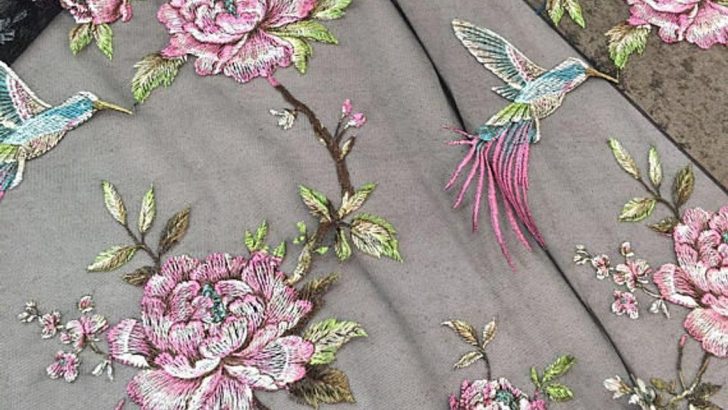
Best embroidery designs can elevate any project, whether you’re working on clothing, home decor, or personalized gifts. The right design not only adds visual appeal but also reflects the personality and purpose of the item being embroidered. With so many styles and themes available, it’s essential to choose designs that align with your vision and the intended use of the piece. From classic floral patterns to modern geometric shapes, there’s an embroidery design for every taste and occasion. Understanding the different types of embroidery styles and how they can be applied will help you make informed decisions when selecting the perfect design for your project.
Timeless Classic Designs
Classic embroidery designs have stood the test of time and remain popular for their elegance and versatility. Floral motifs, such as roses, daisies, and peonies, are a staple in traditional embroidery. These designs often feature intricate detailing and are ideal for adding a touch of sophistication to garments or home textiles. Another popular classic is the heraldic crest, which is commonly used in formal wear or as a symbol of heritage. These designs are perfect for creating a timeless look that never goes out of style.
For those who prefer a more subtle approach, simple cross-stitch patterns or monogrammed letters can add a refined touch to any project. These designs are especially useful for personalizing items like towels, handkerchiefs, or even baby clothes. The key to successfully using classic embroidery designs is to maintain balance between the complexity of the pattern and the overall aesthetic of the item.
Modern and Minimalist Styles
In recent years, minimalist embroidery has gained popularity, especially among those who prefer clean lines and uncluttered aesthetics. This style often features simple shapes, such as circles, triangles, and abstract forms, that convey meaning without overwhelming the viewer. Minimalist embroidery is ideal for contemporary fashion, where understated details can make a significant impact.
Another trend in modern embroidery is the use of bold, graphic elements. Designs featuring large-scale typography, such as motivational phrases or names, have become increasingly popular in both fashion and home décor. These designs are perfect for creating a statement piece that stands out while maintaining a cohesive look. Additionally, geometric patterns, including hexagons and chevrons, offer a modern twist on traditional embroidery techniques.
When incorporating modern styles into your projects, consider the placement and scale of the design. Overly complex patterns may clash with the simplicity of a minimalist approach, so it’s important to choose designs that complement the overall theme of the item.
Cultural and Traditional Motifs
Embroidery has deep cultural roots, and many traditional designs reflect the history and identity of various communities. For example, Japanese sashiko embroidery features repetitive, stitch-based patterns that are both functional and decorative. Similarly, Indian phulkari embroidery is known for its vibrant colors and intricate floral patterns, often used in regional attire. Incorporating these traditional motifs into your projects can add a unique cultural dimension and celebrate the artistry of different regions.
In addition to regional styles, religious and symbolic embroidery designs are also widely appreciated. Crosses, stars, and other spiritual symbols are commonly used in religious garments or personal accessories. These designs can carry deep meaning and serve as a form of expression for individuals who wish to showcase their beliefs through their craft.
If you’re interested in exploring cultural embroidery, it’s essential to research the origins and significance of each design to ensure proper representation and respect for the traditions involved.
Personalized and Custom Designs
One of the most appealing aspects of embroidery is the ability to create personalized and custom designs. Whether you’re looking to commemorate a special event, express individuality, or create a unique gift, custom embroidery allows for endless creativity. Monograms, initials, and custom illustrations are popular choices for personalization, as they can be tailored to fit the preferences of the recipient.
For more creative projects, digital embroidery software enables users to design their own patterns from scratch. This approach offers greater flexibility, allowing for the integration of unique elements such as photographs, logos, or custom text. However, it’s important to note that some complex designs may require advanced equipment or professional assistance to achieve the desired results.
When planning a custom embroidery project, start by defining the purpose and audience of the piece. This will help guide your design choices and ensure that the final product meets your expectations.
Practical Tips for Choosing the Right Design
Selecting the right embroidery design involves considering several factors, including the fabric type, thread color, and the overall style of the item. For instance, delicate fabrics may require smaller, more intricate designs, while heavier materials can accommodate bolder patterns. Additionally, the choice of thread color should complement the background fabric and enhance the visibility of the design.
Another important consideration is the size and placement of the embroidery. Larger designs are best suited for prominent areas, such as the chest of a shirt or the center of a pillow, while smaller details can be placed on sleeves, hems, or corners. It’s also helpful to test the design on a small sample before committing to the full project.
By taking these practical tips into account, you can ensure that your embroidery project looks polished and professional, regardless of the design you choose.
